

Casey Douma
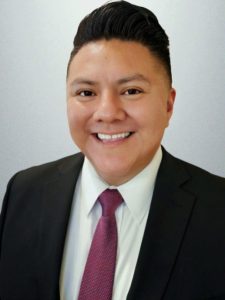
Casey Douma (Laguna Pueblo / Hopi-Tewa) is a legal expert and a dedicated advocate creating opportunities for sustainable futures for tribal nations throughout Indian Country. As a founding partner of Douma Law, Casey’s work is a testament to his deep commitment, spanning a remarkable range of critical areas—from safeguarding tribal education, bolstering economic development, and refining corporate governance to protecting environmental resources and championing Native voting rights. Imagine navigating the complexities of labor law, taxation, and healthcare, all while ensuring the preservation of cultural resources and sacred sites. That’s Casey’s daily reality. He’s a force for restorative justice, Native nation building, and everything in between, empowering sovereign nations to thrive while honoring their enduring traditions.
His influence extends beyond his role as an attorney. As Chairman of the Board for the New Mexico Center on Law and Poverty, Casey is at the forefront of the fight for economic and social justice, driving impactful advocacy, litigation, and educational initiatives. He also invests in the future by serving as Senior Faculty for the Santa Fe Indian School Leadership Institute’s Summer Policy Academy, a collaboration with Princeton University. Here, he mentors Native youth, equipping them with the tools to navigate federal, state, and tribal policy landscapes, ensuring their voices shape the decisions that impact their communities.
Casey’s dedication to education runs deep. His academic credentials—a Juris Doctorate from the University of New Mexico School of Law, an LL.M. in Indigenous Peoples’ Law and Policy from the University of Arizona College of Law, and a Bachelor’s in Business Administration from Haskell Indian Nations University—provide a powerful foundation for his work, blending legal acumen with a profound understanding of tribal governance.
But Casey’s work is more than just a profession; it’s a calling. As a proud citizen of the Pueblo of Laguna and Hopi-Tewa people, his personal connection to his heritage fuels his unwavering dedication. He is a key figure, not just in legal circles, but in the ongoing story of tribal sovereignty and empowerment. His tireless advocacy for tribal nations and Native youth and his commitment to creating a more just and equitable future establishes him as a true leader and an essential voice for Native communities.